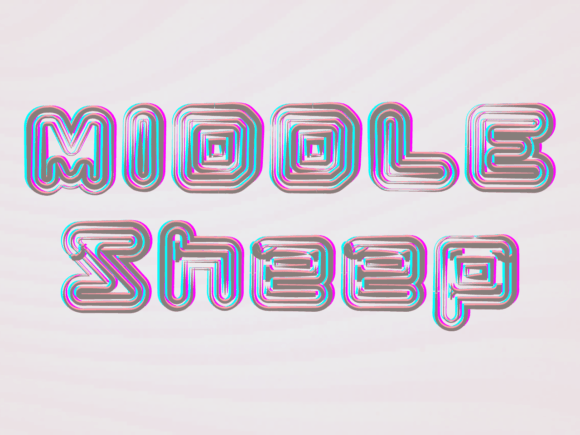
Middle Sheep Font: Distinctive Display Type for Crafters
As a small business owner and printable creator, I know that finding the right typeface is about more than just aesthetics; it is about finding a voice for your products. In the crowded marketplace of handmade goods and digital downloads, your typography often serves as the first point of connection with a customer. This is where the Middle Sheep font distinguishes itself from standard display options. It possesses a unique identity that bridges the gap between artistic expression and commercial readability, making it an invaluable asset for crafters who need their work to stand out on shelves, screens, and stationery.
Middle Sheep is not merely a decorative element; it is a functional design tool with its own distinct personality. For those of us creating physical products or selling templates, this typeface offers a specific charm that feels curated rather than generic. Whether you are designing wedding invitations, labeling artisanal candles, or creating social media graphics for a product launch, Middle Sheep provides the visual weight and character necessary to elevate perceived value without sacrificing legibility.
Elevating Handmade Labels and Product Packaging
One of the most practical applications for Middle Sheep in a crafting business is product packaging and labeling. When customers browse a market stall or an Etsy shop, they scan for keywords and brand names quickly. A font that is too ornate can become illegible at small sizes, while a font that is too plain can make a handmade item look mass-produced. Middle Sheep strikes a crucial balance here. Its letterforms have enough distinctive detail to signal "handcrafted quality," yet they remain structured enough to be read instantly on a jar label, a hang tag, or a sticker.
For makers using cutting machines like Cricut or Silhouette, the structural integrity of this display font is a significant advantage. Unlike wispy scripts that can tear during weeding or fail to adhere properly to textured surfaces, Middle Sheep typically offers solid strokes that cut cleanly on vinyl and cardstock. This makes it ideal for:
- Candle and Soap Labels: Creating a boutique aesthetic that looks professional on curved glass or matte paper.
- Pantry Organization Stickers: Adding a touch of modern farmhouse style to functional home goods.
- Boutique Shopping Bags: Printing large-scale branding that remains crisp and attractive from a distance.
- Product Tags: Ensuring pricing and product names are legible even when printed at smaller point sizes.
When using this font for packaging, consider how it interacts with negative space. Because Middle Sheep has its own strong identity, it does not require excessive embellishment. Letting the typeface breathe against a clean background often yields a more premium result than cluttering the design with unnecessary graphics.
Stationery, Invitations, and Wedding Design Applications
In the realm of paper goods, distinctiveness is currency. Wedding stationery and greeting cards rely heavily on typography to set the tone of the event or message. Middle Sheep serves as an excellent choice for primary headers, couple names, and welcome signage. It avoids the overused script tropes that dominate the wedding industry, offering couples something that feels fresh, modern, and intentionally chosen.
For printable creators, this font adds versatility to your template offerings. Customers looking for wedding welcome boards or seating charts need fonts that are readable from several feet away. Middle Sheep functions beautifully as a display header in these contexts. Its personality shines in short phrases, titles, and names, making it perfect for "Save the Date" cards, birthday invitations, and anniversary announcements. When designing editable templates for platforms like Canva or Corjl, including a font with this level of character can significantly increase the desirability of your digital assets.
It is important to note where this typeface performs best within stationery suites. While it excels at headlines and focal points, it should be used judiciously for body text. For longer paragraphs regarding venue details, RSVP instructions, or personal letters, pair Middle Sheep with a clean sans serif or a simple serif font. This hierarchy ensures that the decorative elements enhance the reading experience rather than hindering it, maintaining both beauty and function in your paper designs.
Strategic Font Pairing and Visual Hierarchy
Mastering font pairing is essential for any product designer, and Middle Sheep plays well with others when balanced correctly. Because it carries significant visual weight and personality, it acts as the anchor in your typographic system. To create cohesive brand identities or harmonious layouts, consider these pairing strategies:
- The Modern Contrast: Pair Middle Sheep with a geometric sans serif font. The organic, distinctive nature of Middle Sheep contrasts beautifully with the mathematical precision of a geometric sans, creating a contemporary look suitable for tech-adjacent crafts, modern apparel, or minimalist home decor.
- The Classic Support: Combine it with a traditional serif font for body copy. This combination evokes a sense of heritage and timelessness, which is particularly effective for heirloom-quality goods, bookish merchandise, or vintage-inspired printables.
- The Textural Balance: If you must use another handwritten or script font, ensure it is significantly lighter and simpler. Use the secondary script only for small accents or signatures, allowing Middle Sheep to remain the dominant display element.
Effective pairing not only improves aesthetics but also guides the customer’s eye. In a product listing image or a physical sign, you want the viewer to see the brand name or key benefit first. Middle Sheep commands that attention, while your supporting typefaces deliver the necessary details. This strategic use of typography directly influences conversion rates and customer comprehension.
Technical Considerations for Makers and Sellers
Before integrating Middle Sheep into your production workflow, take time to explore its technical features. Many premium display fonts include alternate characters, ligatures, or swashes that can further customize your designs. Check the OpenType panel in your design software to see if Middle Sheep offers these extras. A simple alternate 'A' or a connecting ligature can transform a standard wordmark into a custom logo design without requiring vector editing skills. These subtle details are what separate amateur designs from professional-grade merchandise.
Readability testing is non-negotiable for commercial crafters. Always print a test sample at the actual size before committing to a bulk run of stickers or labels. What looks bold on a 27-inch monitor may appear thin or spindly on a two-inch product tag. Similarly, if you are creating SVG files for sale, ensure the text is converted to outlines or that the font file is embedded/licensed appropriately so your customers do not encounter missing font errors. For digital download sellers, providing a mockup that demonstrates Middle Sheep in a real-world context helps buyers visualize its potential, reducing pre-sale questions and increasing satisfaction.
Navigating Commercial Licensing for Your Business
Perhaps the most critical aspect of using Middle Sheep professionally is understanding licensing. As a seller of physical products, templates, or digital assets, you must ensure your usage rights align with your business model. A standard desktop license might cover personal projects or limited physical sales, but selling editable templates, logos, or high-volume merchandise often requires an extended commercial license.
Always review the specific license agreement included with Middle Sheep. Protecting your business means respecting intellectual property. Proper licensing not only keeps you compliant but also supports the type designers who create these essential tools. When you invest in the correct license, you are investing in the sustainability of your own shop and the broader creative community. Display this professionalism in your shop policies or product descriptions where appropriate; savvy customers appreciate knowing that the design assets used in their purchases are ethically sourced and legally cleared for commercial use.